The Complete Guide to Birding in Mindo, Ecuador
By Hugolino Oñate — 30+ years guiding in the Chocó Andino
1. Why Mindo for Birdwatching?
Mindo sits at the heart of the Chocó Andino, a UNESCO Biosphere Reserve on the western slopes of the Andes in Ecuador. With over 500 bird species recorded within a 30 km radius, it consistently ranks among the top birding destinations in the world.
The region's extraordinary diversity comes from its altitudinal gradient: from páramo at 4,000 m to humid tropical forest at 600 m, creating four distinct habitat zones — each with its own community of specialized species. This means you can see dramatically different bird communities in a single day.
Best of all, Mindo is just 2 hours from Quito on a paved road, with well-established birding infrastructure: private reserves with maintained trails, hummingbird feeders, antpitta feeding stations, and experienced local guides.
2. Altitude Zones & Habitats
Páramo (3,500–4,500 m)
Andean Condor, Ecuadorian Hillstar, Tawny Antpitta, Andean Lapwing
High Forest (2,000–3,500 m)
Plate-billed Mountain Toucan, Sword-billed Hummingbird, Tanager Finch
Cloud Forest (1,200–2,000 m)
Andean Cock-of-the-rock, Toucan Barbet, Giant Antpitta, Golden-headed Quetzal
Humid Lowland (400–1,200 m)
Long-wattled Umbrellabird, Chocó Toucan, Club-winged Manakin, Rose-faced Parrot
3. Star Species of Mindo
These six species are the most sought-after by birders visiting the Mindo area. Each has its own detailed guide page:
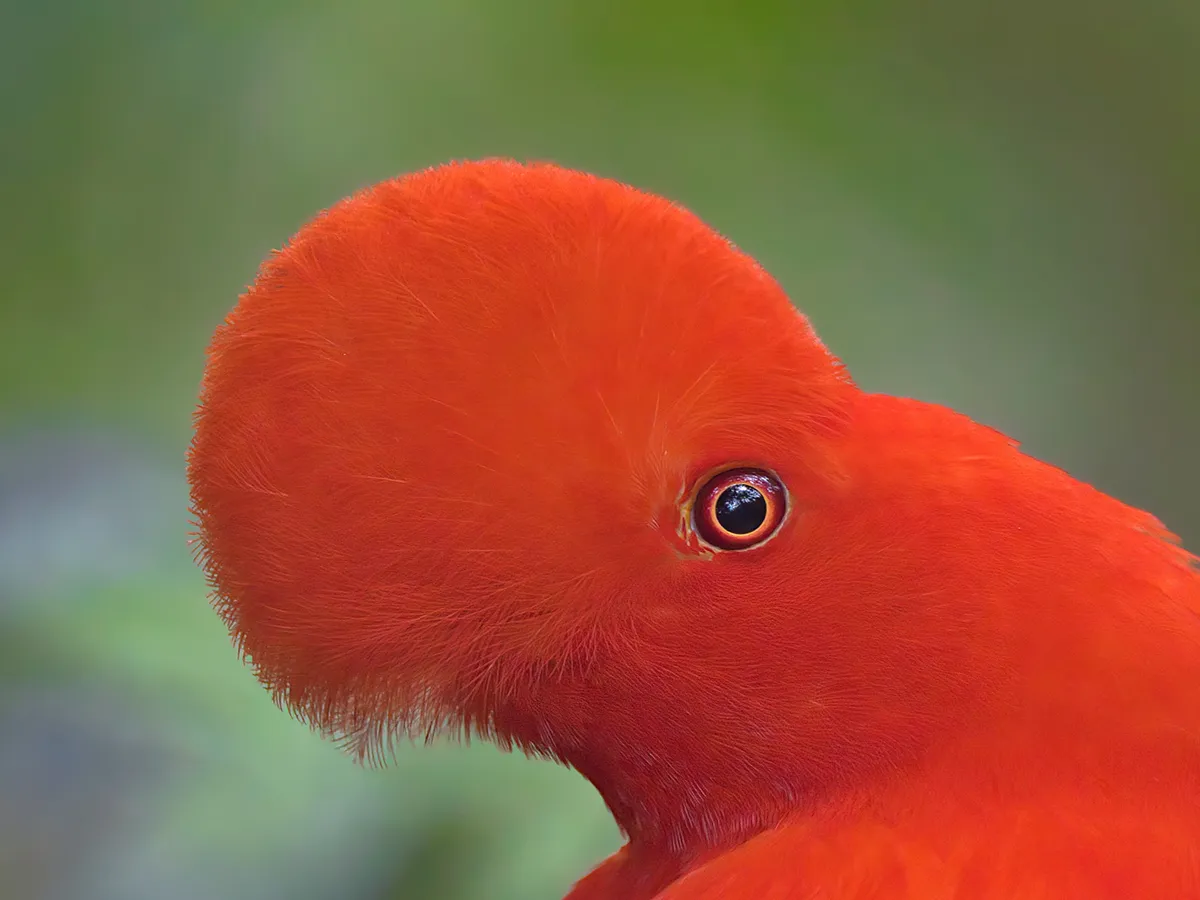
Andean Cock-of-the-rock
Rupicola peruvianus
Paz de las Aves, Santa Elena · 1,200–2,500 m
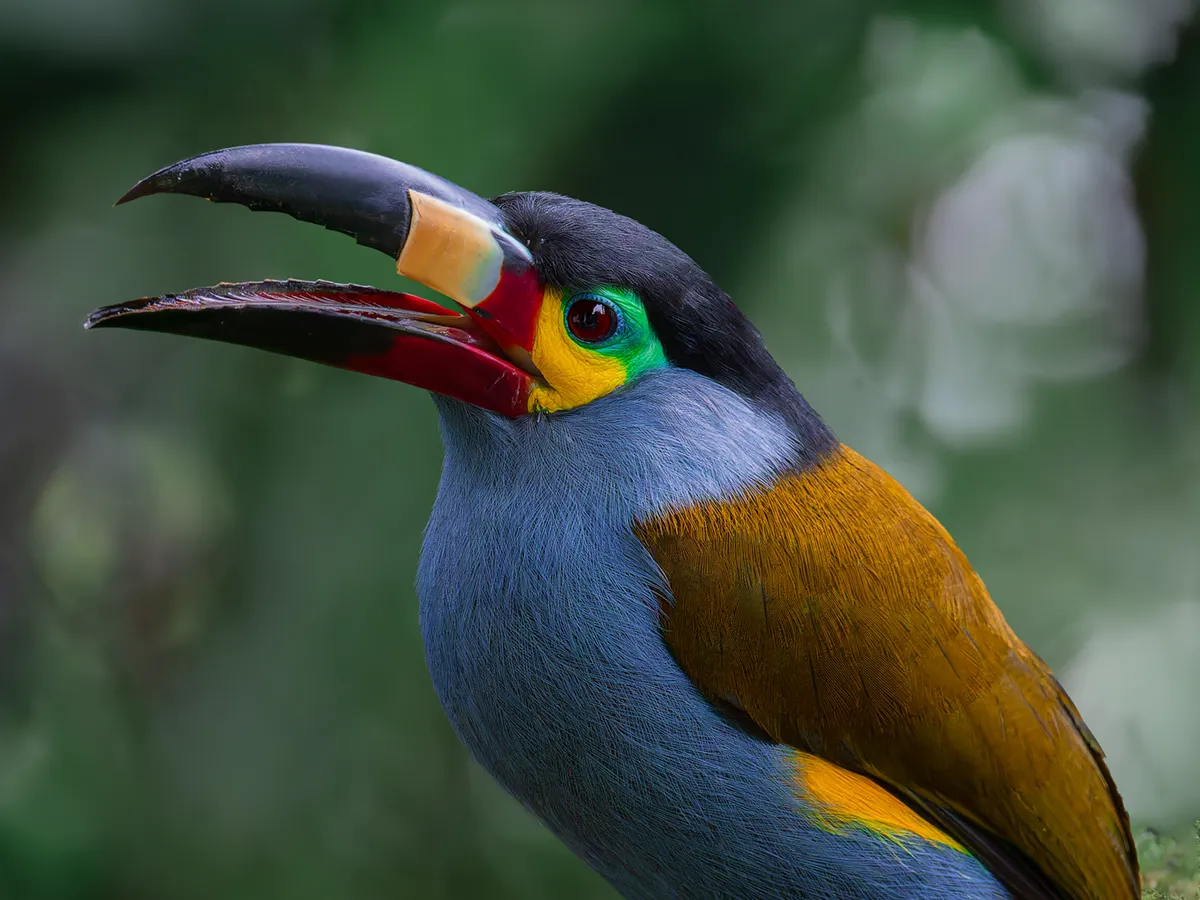
Plate-billed Mountain Toucan
Andigena laminirostris
Bellavista, San Lorenzo · 1,600–3,100 m
Sword-billed Hummingbird
Ensifera ensifera
Zuroloma, Yanacocha · 2,500–3,500 m
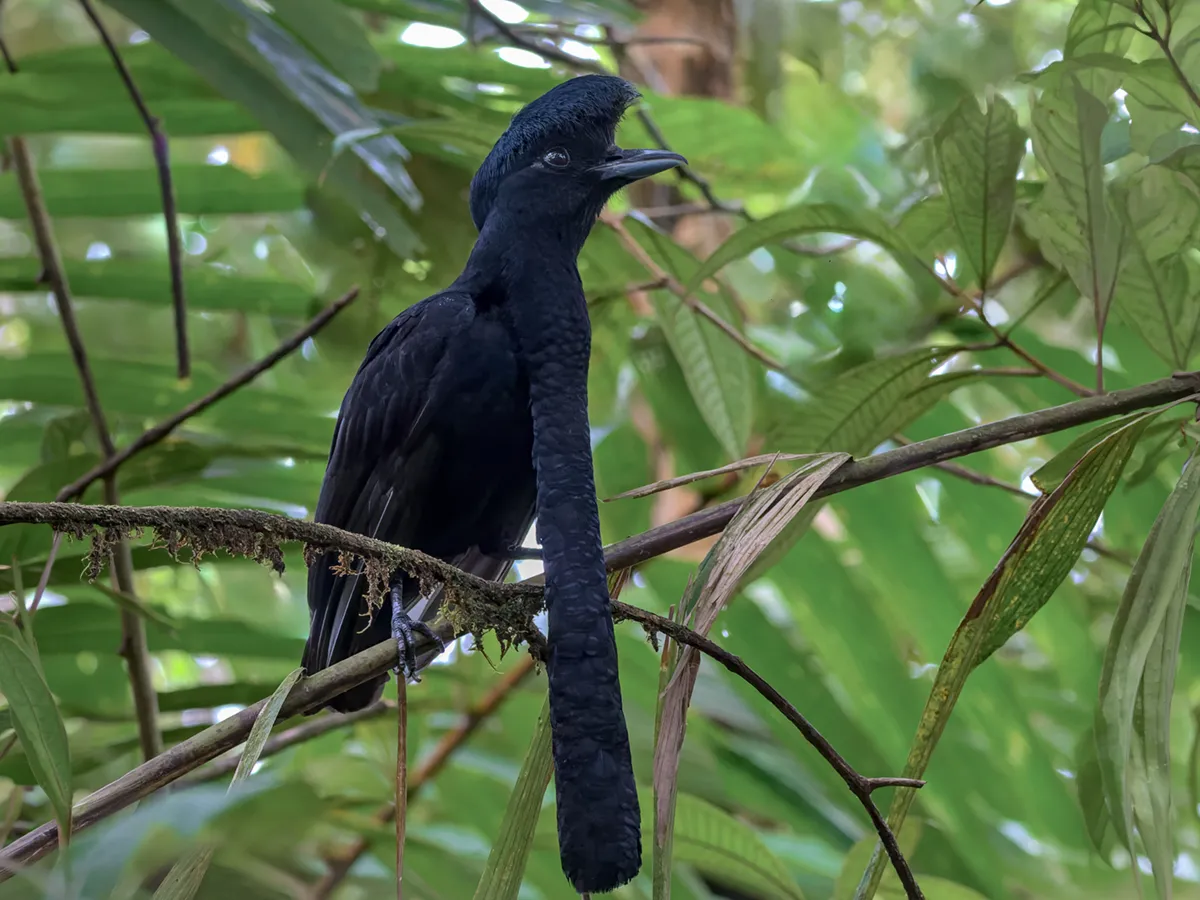
Long-wattled Umbrellabird
Cephalopterus penduliger
Mindo lowlands · 600–1,800 m

Andean Condor
Vultur gryphus
Antisana · 3,000–5,000 m
Giant Antpitta
Grallaria gigantea
Paz de las Aves · 2,200–3,500 m
4. Best Time to Visit
Mindo is a year-round birding destination. There is no "bad" season — the Cock-of-the-rock leks are active every single day, and the cloud forest is teeming with life 365 days a year.
- ●Sep–Nov: Peak breeding season. High bird activity, moderate rain. Best for photography.
- ●Jun–Aug: Drier months. Less rain, good trail conditions. Migrant species arrive.
- ●Dec–May: Wetter season. Lush forest, active leks. Umbrellabird breeding season (Jan–May).
5. Top Birding Sites Near Mindo
Paz de las Aves (Ángel Paz)
Cock-of-the-rock lek, Giant Antpitta feeding, Cloud forest trail. The #1 site.
Mindo Lowlands
Long-wattled Umbrellabird territory. Best Jan–May for breeding displays.
Bellavista Cloud Forest
Plate-billed Mountain Toucan, Tanager Finch, hummingbird feeders at 2,200 m.
San Lorenzo Ridge
Mountain toucans, Toucan Barbet, mixed flocks along the ridge trail.
Mashpi Amagusa
Moss-backed Tanager, Rose-faced Parrot, Chocó endemics.
Zuroloma (2,800 m)
Sword-billed Hummingbird, high-altitude hummingbird feeders.
Antisana (4,000 m)
Andean Condor soaring over volcanic páramo. Day trip from Quito.
6. Recommended Tours
All tours include expert guide, binoculars, spotting scope, digiscoping photos, meals, and transport from Quito.
7. What to Bring
8. How to Get There
From Quito's Mariscal Sucre International Airport (UIO), Mindo is a 2-hour drive via the Calacalí–La Independencia highway. The road is fully paved and passes through stunning mountain scenery.
All our tours include door-to-door transport from your Quito hotel or directly from the airport. No need to rent a car or arrange separate transportation.
Ready to explore Mindo?
Tell us your dates and we'll design the perfect birding itinerary.